

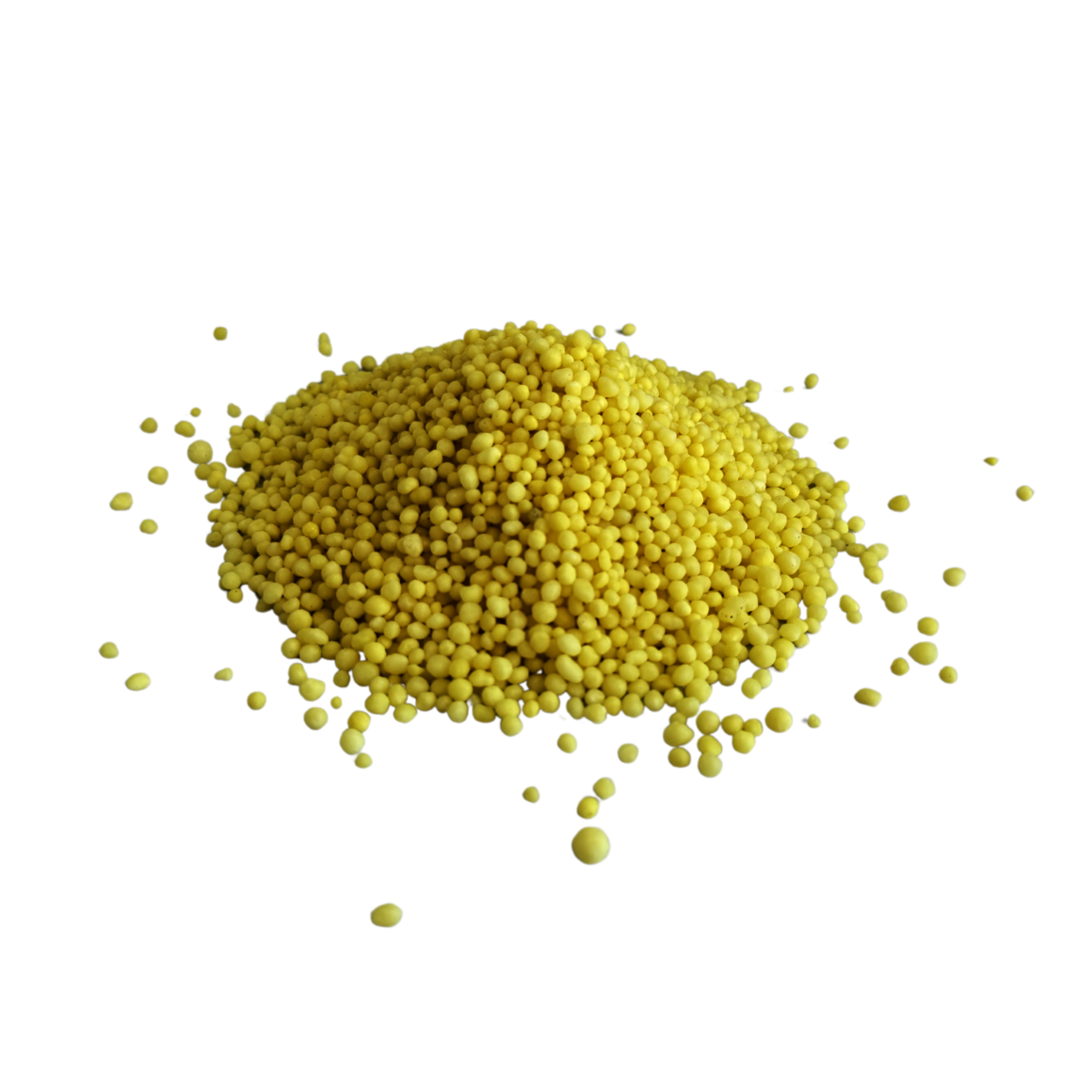
Limus®
Dual-active urease inhibitor technology from BASF that helps reduce ammonia volatilisation from urea fertilisers.
Helps protect surface-applied urea by slowing urease activity when rainfall incorporation is delayed.
Supports improved nitrogen retention and more consistent yield across varying seasonal conditions.
Why Nitrogen Efficiency Matters this Season
Nitrogen is one of the largest input costs in cropping systems, and recent market conditions have reinforced how exposed fertiliser programs can be to price volatility and supply disruption.
At the same time, surface-applied urea can lose nitrogen through ammonia volatilisation - particularly where rainfall incorporation is delayed or conditions favour rapid urease activity.
When nitrogen is expensive and harder to replace, these losses have a greater impact on overall program performance.
In this environment, the focus shifts from how much nitrogen is applied to how effectively it is retained and used within the system.
Why Limus®
- Dual-active urease inhibitor technology (NBPT + NPPT)
- Helps reduce ammonia losses (up to 98% in global trials)
- Helps improve nitrogen use efficiency (NUE)
- Greater flexibility in fertiliser application timing
Why Nitrogen Protection Matters
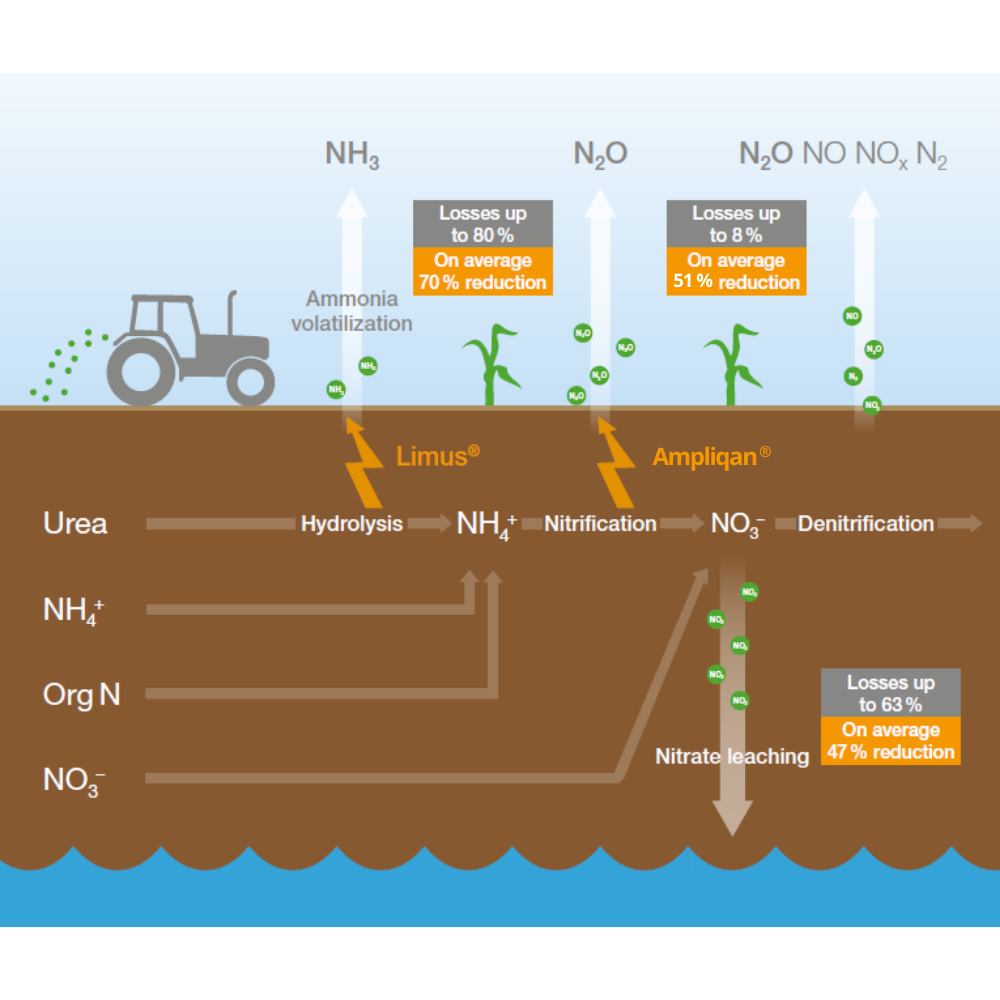
Urea is one of the most widely used nitrogen fertilisers, but significant nitrogen loss can occur during conversion to plant-available nitrogen forms. During hydrolysis, urease enzymes convert urea into ammonium. If rainfall incorporation is delayed, nitrogen can be lost as ammonia gas.
Limus® helps protect nitrogen during the critical period following application, helping more applied nitrogen remain available in the soil.
What Makes Limus® Different
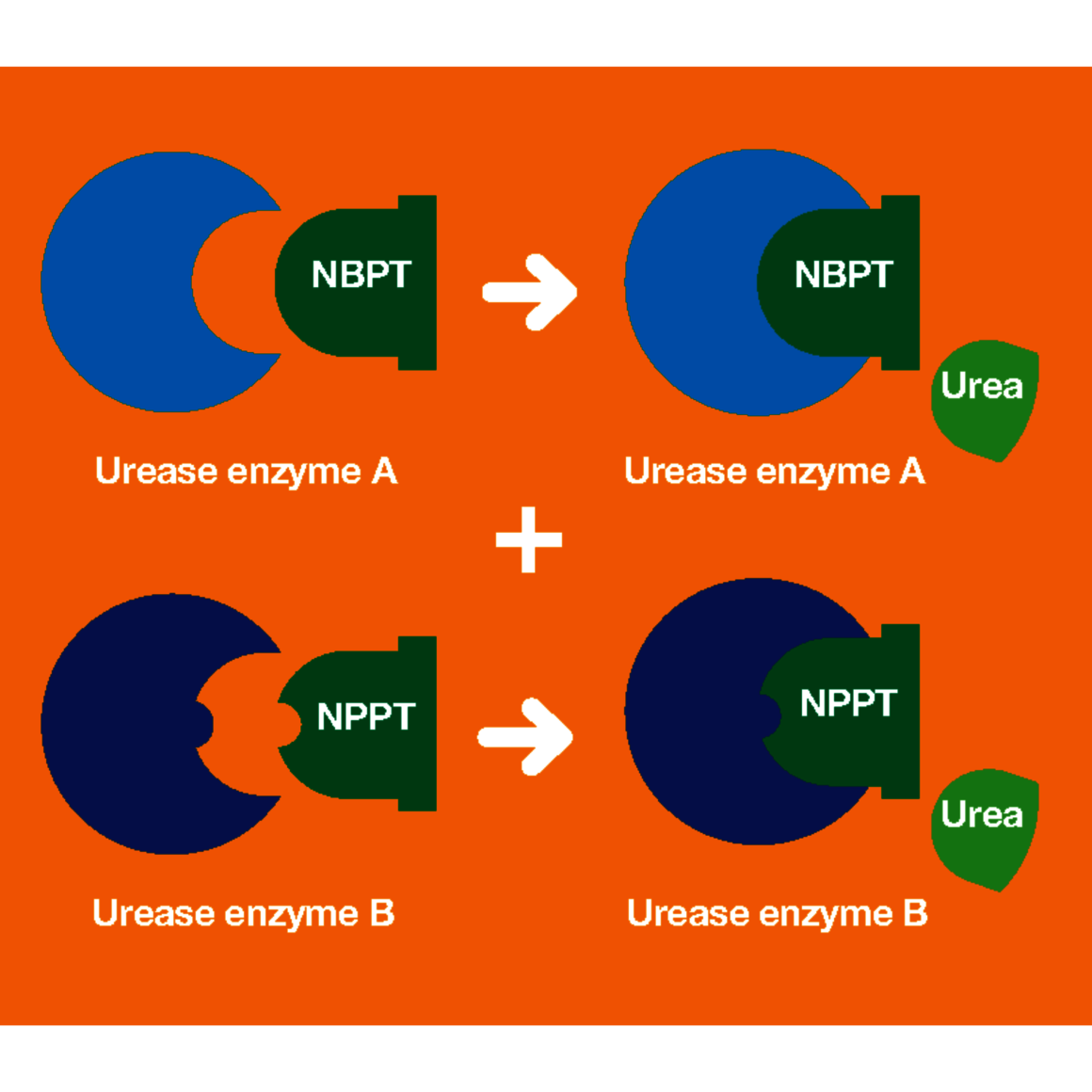
Dual-active urease inhibition.
Soils contain many different urease enzymes produced by microbes, fungi and plants. Limus® combines two active ingredients – NBPT and NPPT – which target a broader range of urease enzymes, providing more consistent protection than single-active inhibitors.
Result: more nitrogen retained in the soil and available for crop uptake.
How Limus® Works
Limus® temporarily inhibits urease enzyme activity following urea application, slowing the conversion of urea into ammonia.
This delay helps reduce ammonia volatilisation during the critical period before rainfall or soil incorporation occurs, allowing more nitrogen to move into the soil where it can be retained for crop uptake.
By slowing the rate of urea breakdown rather than stopping the process, Limus® helps maintain more consistent nitrogen availability under varying seasonal conditions.
Practical Benefits in the Paddock

Improved nitrogen use efficiency
Reducing ammonia loss allows applied nitrogen to work more effectively within the crop system.

Greater application flexibility
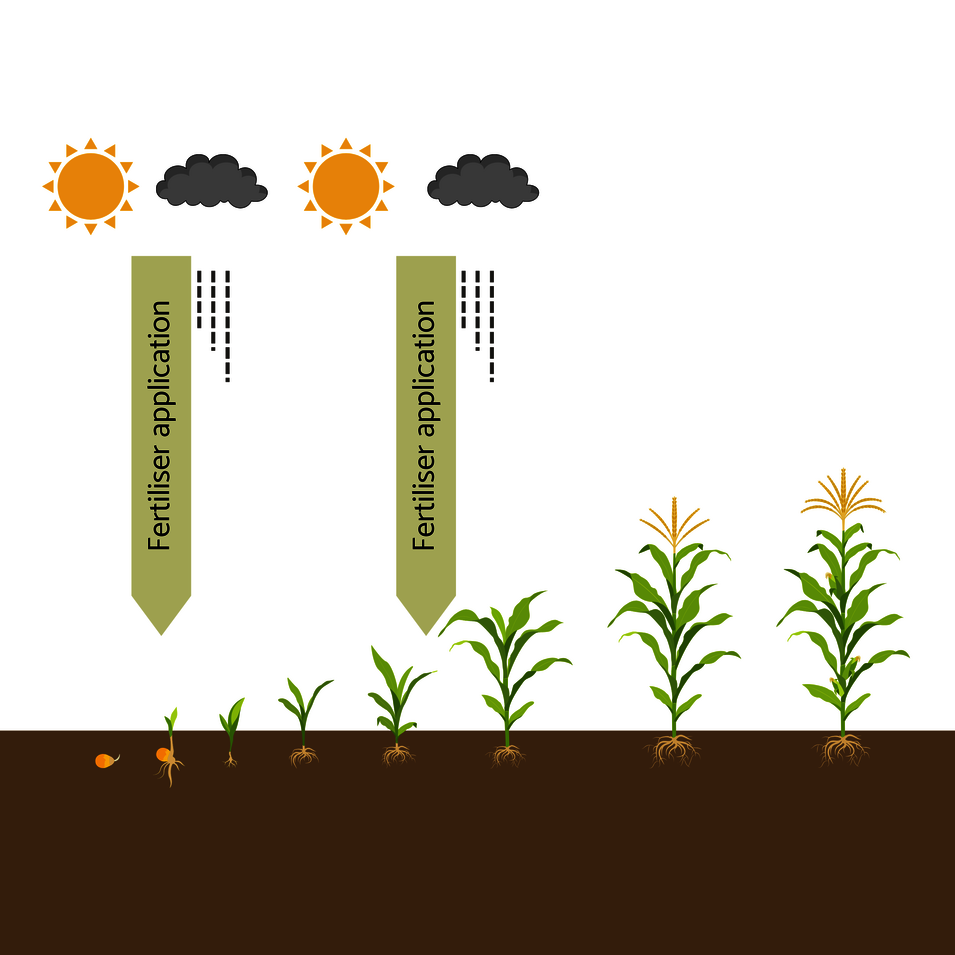
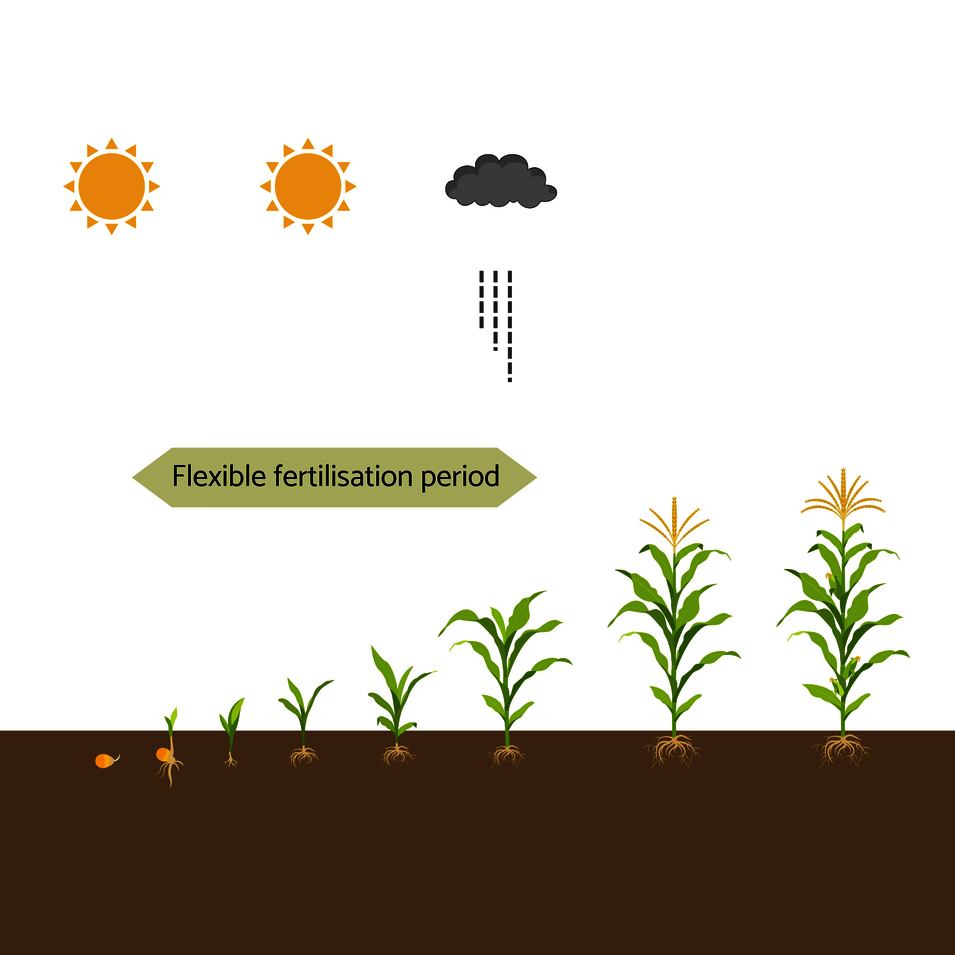
Protected urea can be applied with reduced reliance on immediate rainfall incorporation, extending application windows.

Operational simplicity
Limus-treated urea is handled and applied like standard fertiliser, requiring no change to spreading equipment or farming practice.
Suited to Australian Systems
Limus® is particularly suited where:
- Surface-applied urea is common
- Incorporation rainfall is uncertain
- Large spreading programs require flexibility in application timing
- Growers are seeking improved nitrogen efficiency without changing fertiliser systems
Where Limus® Delivers the Most Value
Limus® delivers the greatest benefit where urea remains exposed on the soil surface before incorporation. This commonly occurs where rainfall timing is uncertain, surface application is standard practice, or fertiliser must be applied ahead of forecast weather events.
Warm soils or retained crop residue can increase urease activity at the soil surface, elevating volatilisation risk during the days following application.
Is Limus® Likely to Benefit Your Program?
You may benefit from Limus® if:
- You surface-apply urea without guaranteed rainfall incorporation
- You want flexibility in fertiliser timing
- Nitrogen represents a major seasonal input cost
- Your system includes retained stubble or no-till practices
- You are actively working to improve nitrogen use efficiency
If several of these apply, Limus® is likely to deliver measurable value. The Tanuki team can assist in assessing suitability for individual programs.

Proven Globally
Introduced globally in 2015, Limus® has been validated across hundreds of laboratory and field trials in diverse cropping systems worldwide, consistently demonstrating reduced nitrogen loss and improved fertiliser performance.
Use With Granular Urea Fertiliser
Limus® is applied to granular urea during fertiliser manufacture or blending to create stabilised urea fertiliser.
When stored under appropriate conditions and at temperatures below 30°C, Limus®-treated urea remains stable and active up to 12 months - supporting standard blending, storage and distribution practices within Australian fertiliser supply chains.
How Limus® Fits in a Nitrogen Program
- Surface-applied urea – Reduced volatilisation risk
- Dry seasonal outlook – Greater application confidence
- Large fertiliser programs – Operational flexibility
- Nitrogen efficiency focus – Improved nitrogen retention
Talk to Tanuki!
To understand where Limus® fits in your nitrogen program, speak with the Tanuki team or contact your reseller.